Lower funding costs, tighter distribution and regulatory fragmentation will define the next phase of buy now, pay later.
PayPal and Affirm recently applied for industrial loan company charters, and Sezzle says it’s open to pursuing that path. These moves reveal something bigger: BNPL is no longer just about shopping. It’s becoming core financial infrastructure.
These firms aren’t planning to become traditional banks. As the Consumer Financial Protection Bureau steps back from a dedicated BNPL rule and states move ahead with their own laws, fintechs are pursuing bank charters to navigate the patchwork and scale nationally under a single, insured charter. They’re also aiming to lock in lower funding costs and more control over underwriting and product design.
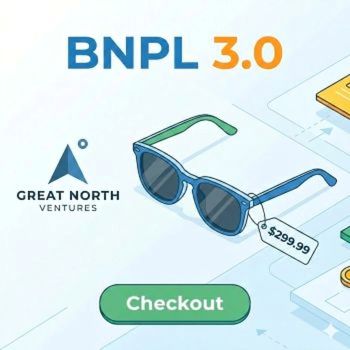
BNPL is aging out of its hype phase and becoming part of the plumbing of the financial system. BNPL 1.0 was short-term installment credit at checkout, including the pay-in-four button and no credit checks for the consumer. With BNPL 2.0, installment credit became embedded into platforms like invoicing software, rent portals and vertical SaaS. In BNPL 3.0, which is only starting to take shape, BNPL fintechs are becoming regulated credit infrastructure. The contest is no longer over who owns the shopper at checkout, but who controls the backend rails.
Why now?
Two forces are converging.
1. Regulatory shifts: The Biden-era CFPB moved to treat BNPL like credit cards, requiring dispute rights, refund protections and billing disclosures. The industry pushed back, arguing their products were alternatives to plastic. That rule was rescinded in May 2025 as states moved independently. New York passed a law treating BNPL as credit, essentially codifying what the CFPB had attempted. Nevada went the other direction, easing requirements for providers.
2. BNPL is moving into workflows: Affirm partnered with Intuit to provide installment payments for QuickBooks invoices. When a small business sends an invoice, eligible customers can pay in installments while the business gets paid upfront. And last June, the Department of Housing and Urban Development requested public comment on whether BNPL affects housing affordability, a sign of how far the product has spread beyond discretionary retail.
These developments show how BNPL is becoming payment infrastructure, with regulators and platforms wrangling over how it’s designed and who bears the risk.
The business case
Sezzle CEO Charlie Youakim sees the charter path clearly. The company focuses on a different niche than Affirm or Klarna: subprime consumers. Youakim says large platforms typically integrate only one BNPL solution, and it’s usually the prime-focused option. A bank charter opens up the opportunity to become regulated credit infrastructure for borrowers that bigger providers don’t serve. “It puts us one step further away from the fight over state-level BNPL regulation,” he told Payments Dive last November. “A lot of fintechs don’t have the coffers to fight a state.”
On the company’s third quarter earnings call, Youakim said an industrial loan company charter represents the right long-term structure because it would not require Sezzle to become a bank holding company. He added that the move will be accretive and improve the company’s operating efficiency.
This strategic pivot reflects the same grit and unique market positioning that defined the company’s early days. To see how this capital-efficient approach built the foundation for their current charter strategy, read our updated in-depth look at Sezzle’s founding story.
Global example: Cashea
What does BNPL 3.0 look like in a market where traditional consumer lending was effectively pulverized? Venezuela’s Cashea offers a snapshot. After hyperinflation destroyed consumer credit — collapsing from $16 billion in 2014 to $200 million in 2021 — Cashea emerged as one of the country’s most important sources of installment financing. Launched in late 2022, the app now reaches 35% Venezuelan adults and processes more than 3% of the country’s GDP. Default rates have dropped below 2%. Venezuela’s credit vacuum let Cashea become a core financial utility far faster than would be possible in a competitive market.
Building and embedding BNPL has never been easier
Platforms like LendAPI let fintechs, retailers, and lenders stand up embedded credit products in weeks rather than months. The company recently went live in Sunglass Hut stores across Dallas-Fort Worth, with a nationwide rollout planned by April. LendAPI is also expanding into credit unions, signaling demand for modern lending infrastructure beyond traditional fintech.
“From the core infrastructure perspective, instantly deploying, automating, and modifying these experiences at the point-of-spend where banks, credit unions, retailers and fintechs can deploy these products, is key,” Tim Li, LendAPI’s CEO, says. “Anyone who’s serious about creating a seamless experience for consumers to purchase using their creditworthiness will be the winner.
The barrier to launching BNPL-style products keeps dropping.
What BNPL 3.0 means for investors
Bank charters cut funding costs. Providers can fund loans with deposits instead of warehouse lines, reducing their cost of capital. They can also design products without waiting on partner bank approvals. Affirm has said a charter could improve unit economics meaningfully; Sezzle’s CEO called it “accretive” on the company’s most recent earnings call.
Competition could intensify. Platforms typically embed one BNPL provider, and once integrated, switching costs are high. These exclusive arrangements could define market structure for years.
But Li argues that easier deployment of BNPL infrastructure expands the market rather than consolidating it around a few incumbents.
“Anytime a set of technology is made available to the masses, new markets and opportunities get created. In other words, the pie gets much bigger,” he says. Through its partnership with Luxottica, LendAPI helped create a new purchasing experience for customers of Sunglass Hut, LensCrafters and Ray-Ban.
Also, as pure-play BNPL companies move away from their banking partners to reduce compliance costs and cost of capital, “we are lowering the cost of entry for everybody,” Li says.
The banks those BNPL firms once relied on are now exploring alternatives, and some have approached LendAPI about launching their own BNPL programs to compete directly with Affirm, he adds.
The charter path, however, isn’t without risk. Charter applications can stall or get denied. Regulators may still impose credit card-type rules at the state level. And if BNPL embeds into essentials like rent and healthcare, missed payments carry consequences that regulators won’t ignore.
Toward BNPL as a core part of financial infrastructure
The stakes are higher because what started as a consumer-facing product layered on top of bank balance sheets is becoming structural, embedded in the core credit system rather than sitting at the checkout page.
BNPL 3.0 is about building the regulated credit infrastructure that powers the entire economy, from retail to rent to B2B invoices. The winners will be the ones who lock in platform deals (Affirm via Intuit), carve out underserved credit segments (Sezzle in subprime), or provide the building blocks for companies to roll out BNPL offerings (LendAPI and other infrastructure players). BNPL started as a way to split payments. It’s becoming foundational financial infrastructure.